

What Are Online Quran Classes for Kids?
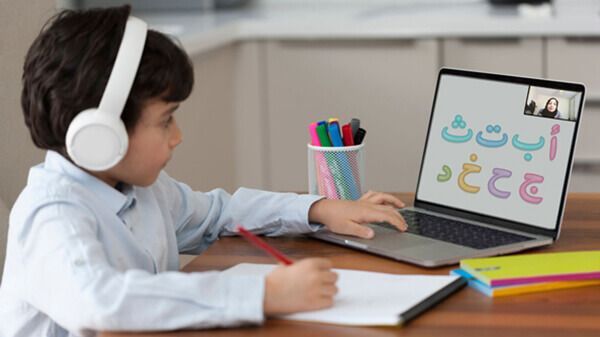
Online Quran Classes for kids are live lessons where children learn directly from a Quran teacher through the internet.
A child can attend a lesson from home using a computer, laptop, tablet, or smartphone.
Depending on the child’s learning level, classes may include Noorani Qaida, Quran Reading, Tajweed, Quran memorization Daily Duas Salah and Basic islamic teaching.
One-to-one online Quran classes can be especially useful for children because the teacher can focus on one student’s reading, pronunciation, mistakes, and learning pace.
Instead of expecting every child to follow the same speed, the teacher can adjust the lesson according to the student’s current ability.
Why Are Parents Choosing Online Quran Classes?
Many Muslim families have busy daily routines.
Children may have school, homework, sports, family activities, and other responsibilities. Parents may also have work and household commitments.
Travelling to a physical Quran academy several times a week is not always convenient.
Online Quran learning can provide a practical alternative.
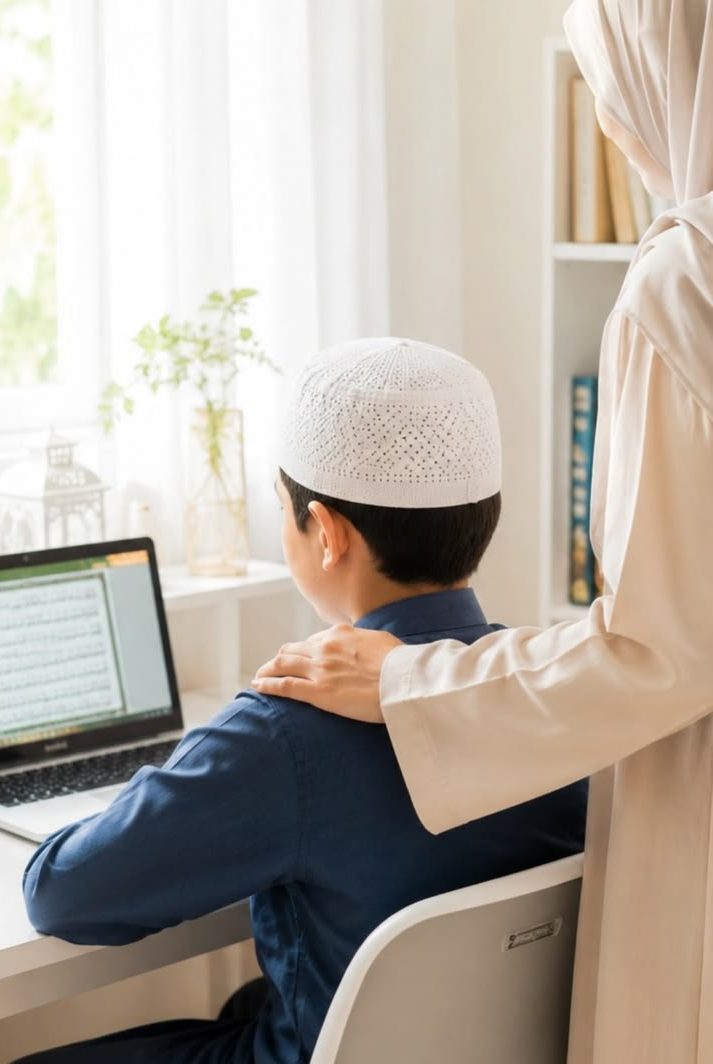
Children can attend their lessons from home without spending additional time travelling to and from a physical class.
Another benefit is flexibility. Families can look for lesson times that fit around school, homework, family commitments, and other activities.
For Muslim families living abroad, this flexibility can make it easier to maintain a regular Quran learning routine.
However, convenience should not be the only reason for choosing an online Quran academy. The quality of teaching and suitability of the learning environment are equally important.
What Can Children Learn in Online Quran Classes?
A good Quran learning program should meet children at their current level.
Some children may be complete beginners, while others may already be able to read the Quran and need help with Tajweed or memorization.
Noorani Qaida for Beginners
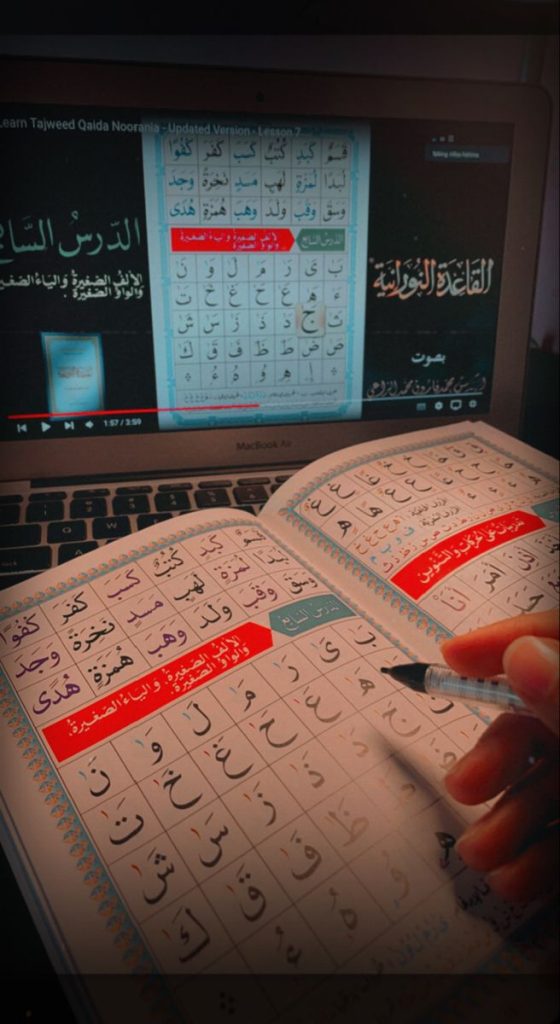
Noorani Qaida can provide a foundation for children who are beginning to learn Quran reading.
Children can gradually learn Arabic letters, sounds, joining letters, and basic reading patterns.
A strong foundation can make it easier for children to progress towards reading Quranic words and verses.
Parents should not worry if a child needs extra time to learn the basics. Children develop at different speeds.
Quran Reading
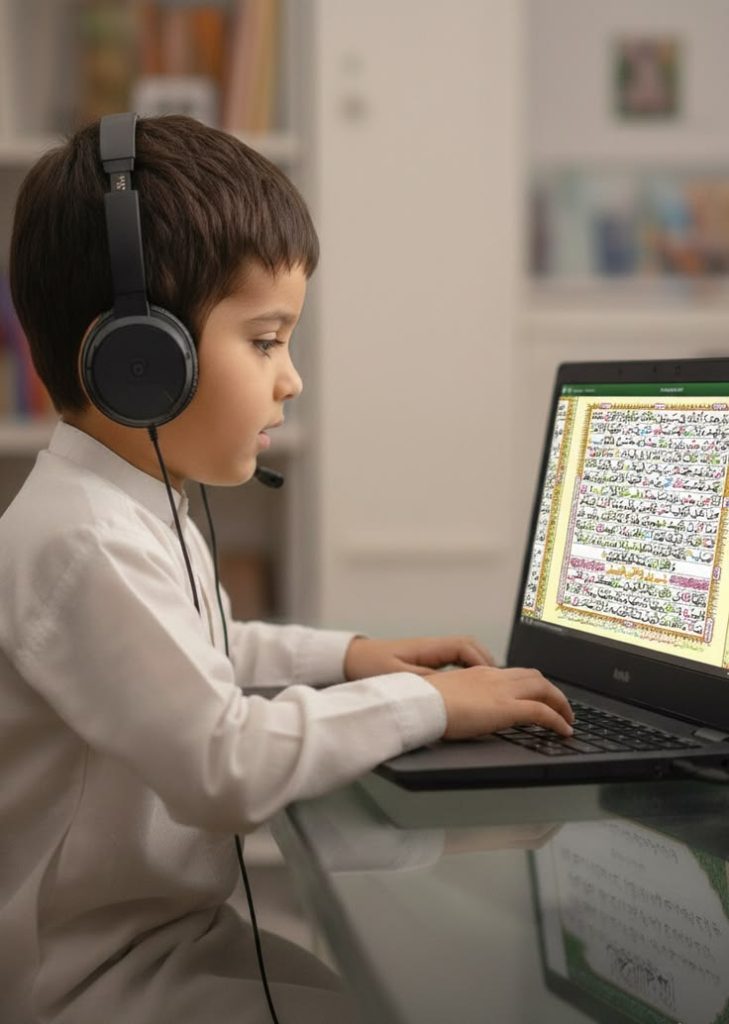
After developing basic reading skills, children can gradually move towards reading Quranic words, verses, and Surahs.
Regular reading practice can help children improve fluency and confidence.
A teacher should listen carefully to the child’s recitation and correct important mistakes rather than simply asking the child to continue reading.
Quran With Tajweed
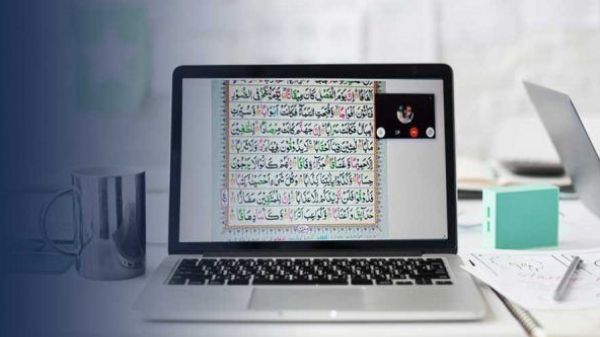
Tajweed helps children learn how to pronounce Quranic letters and words correctly while following the principles of Quranic recitation.
Learning Tajweed should involve practical reading practice.
Children should have opportunities to apply what they learn while reciting the Quran.
Quran Memorization
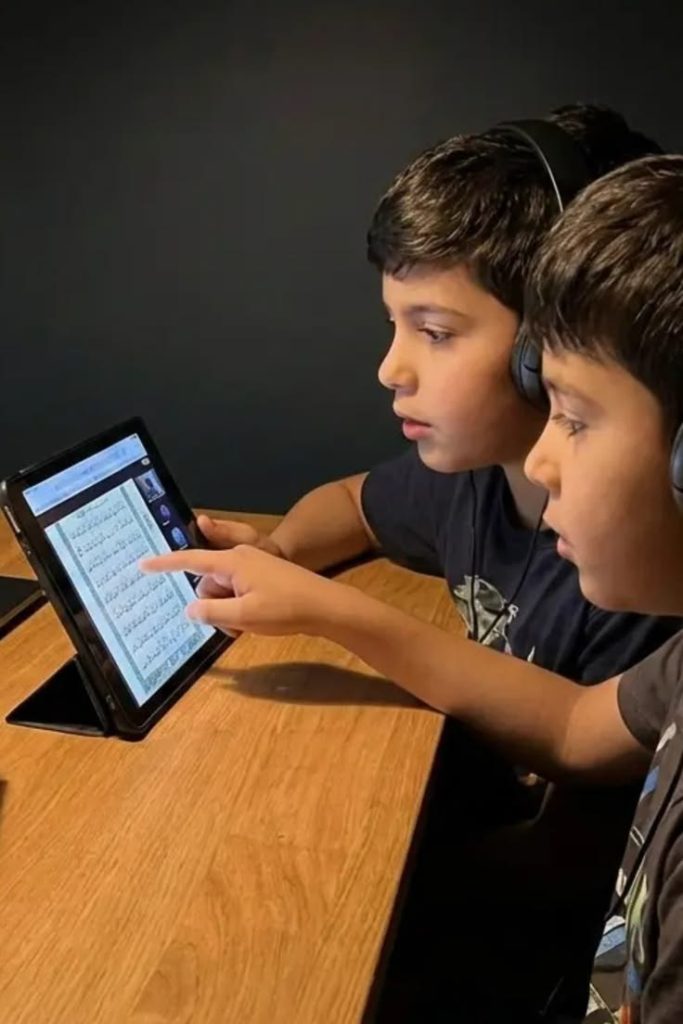
Some children may want to memorize selected Surahs or follow a structured Hifz program.
A Quran memorization routine should include both new memorization and revision of previously learned portions.
The pace should be suitable for the child’s age, ability, school routine, and available practice time.
Daily Duas and Salah
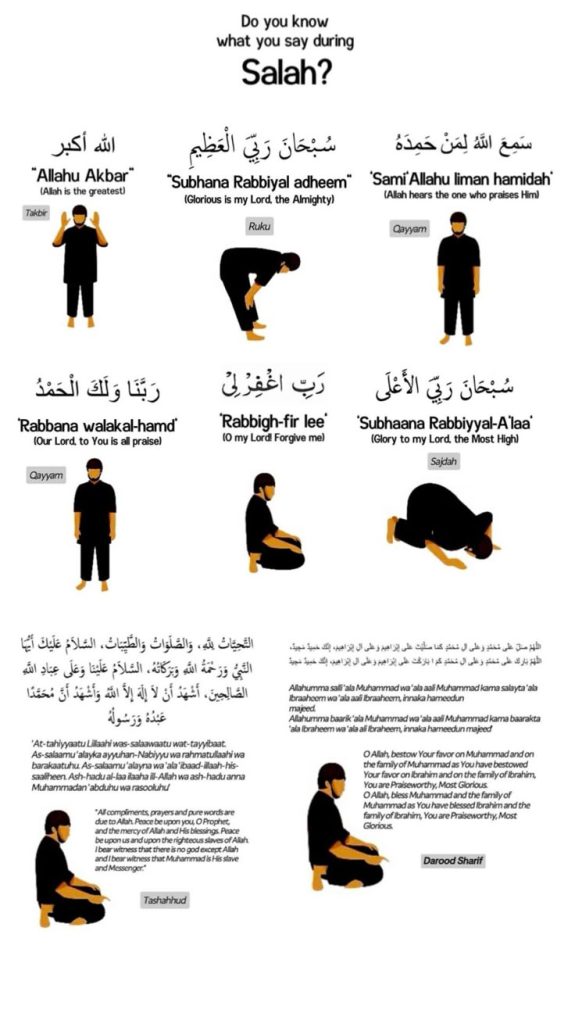
Children can also learn important daily duas, Salah, Islamic manners, and basic Islamic teachings.
These lessons can help children connect their Quran education with their everyday Muslim life.
One-to-One Quran Classes vs Group Classes
Parents often ask whether one-to-one Quran classes are better than group classes.
There is no single answer for every child.
However, one-to-one classes provide an opportunity for the teacher to give complete attention to one student during the lesson.
The teacher can listen carefully to the child’s recitation, identify pronunciation problems, repeat difficult words, and adjust the pace according to the student’s level.
Group classes can also be suitable for children who enjoy learning with others.
The important question is how much individual reading, correction, and interaction each child receives.
For beginners and children who need additional pronunciation support, one-to-one Quran classes can be a practical option.
How to Choose the Right Online Quran Teacher for Your Child
The teacher is one of the most important parts of a child’s Quran learning experience.
Before enrolling your child, parents should consider several things.
Quran Knowledge and Teaching Experience
Ask about the teacher’s Quran education, Tajweed knowledge, and experience teaching children.
Good Quran knowledge is important, but teaching children also requires patience and clear communication.
Patience With Children
Children learn at different speeds.
A good teacher should correct mistakes respectfully, encourage the child, and explain difficult concepts in a simple way.
Children should feel comfortable asking questions and trying again after making mistakes.
Individual Attention
Find out whether lessons are one-to-one or group-based.
If the lesson is individual, the teacher can focus on the child’s specific reading level and areas that need improvement.
Flexible Class Timings
Parents should choose a schedule that works around the child’s school, homework, sleep, and family routine.
A consistent class schedule can be easier for children to maintain than frequently changing lesson times.
Progress Communication
Parents should understand how their child’s progress is monitored.
Ask whether the teacher provides regular feedback or progress updates.
This can help parents understand what their child has learned and which areas may need additional practice.
What Should a Good Online Quran Lesson Look Like?
A productive online Quran lesson should have a clear structure.
The teacher can begin with a short review of previous work.
The next part of the lesson can focus on new material.
During the lesson, the teacher should listen to the child’s recitation, correct important mistakes, and allow the child to repeat difficult words or verses.
The lesson can finish with a short review and simple practice instructions.
The exact structure can vary according to the child’s age and learning goals.
The important thing is that the child is actively learning instead of simply spending a fixed amount of time on a video call.
How Can Parents Help Their Children Learn Quran Online?
Parents do not need to become Quran teachers to support their child’s learning.
Small and consistent habits can make a difference.
Create a Quiet Learning Space
Try to provide a quiet place where the child can attend the lesson without unnecessary distractions.
Prepare the Device Before Class
Make sure the internet connection, device, Quran, Noorani Qaida, and other learning materials are ready before the lesson begins.
Encourage Regular Practice
A few minutes of revision between lessons can help children remember what they have learned.
Encourage Rather Than Pressure
Children can lose interest when they feel that Quran learning is only a source of pressure.
Positive encouragement can help children develop a more enjoyable learning routine.
Communicate With the Teacher
Ask the teacher about your child’s strengths and areas that need improvement.
Good communication between parents and teachers can make the learning process easier.
What Age Should a Child Start Learning Quran?
There is no single age that is perfect for every child.
Some children are ready to begin learning Arabic letters and Noorani Qaida at a young age, while others need more time before they can comfortably focus during an online lesson.
Parents can consider the child’s attention span, communication skills, interest, and readiness.
The teacher can also adjust the lesson according to the child’s age and ability.
The goal should not be to rush through a curriculum.
The goal should be to help the child develop a strong and lasting relationship with Quran learning.
How Often Should Children Attend Quran Classes?
The ideal class frequency depends on the child’s age, school schedule, learning goals, and ability to practise between lessons.
Some children may benefit from shorter and more frequent lessons, while others may be comfortable with a different schedule.
Parents should discuss the child’s routine with the teacher before deciding on a schedule.
Consistency is generally more useful than choosing a schedule that the child cannot maintain.
How Much Do Online Quran Classes Cost?
The cost of online Quran classes can vary depending on lesson duration, number of classes per week, teacher experience, course type, and the services included in the package.
Parents should not choose an academy only because it has the lowest price.
Instead, compare the complete learning experience.
Consider:
Teacher quality
Lesson duration
Number of classes per week
One-to-one or group learning
Tajweed availability
Hifz options
Progress updates
Flexible timings
Trial class
Parent communication
The important thing is to understand what is included before choosing a package.
Is a Free Trial Quran Class Worth Trying?
A trial class can give parents and children an opportunity to experience the teaching approach before making a decision.
During a trial lesson, parents can pay attention to:
How the teacher communicates with the child
Whether the teacher is patient
How pronunciation mistakes are corrected
Whether the lesson is organized
Whether the child feels comfortable
Whether the teacher understands the child’s current level
Parents can also ask how student progress is monitored and how they will receive updates.
A trial class should be an opportunity to evaluate the actual learning experience rather than simply a promotional offer.
Online Quran Classes for Muslim Families Abroad
For Muslim families living outside Muslim-majority countries, maintaining a regular Quran learning routine can sometimes be challenging.
School schedules, work commitments, travel, and different time zones can make traditional Quran classes difficult to attend.
Online Quran classes allow families to arrange lessons around their daily routine.
For families in the USA, UK, Canada, UAE, Qatar, Kuwait, Oman, Bahrain, Indonesia, and other countries, parents should discuss available class timings before enrollment.
The most important thing is to choose a schedule that the child can follow consistently.
Questions Parents Should Ask Before Enrolling
Before choosing an online Quran academy, parents can ask:
Who will teach my child?
What Quran education or teaching experience does the teacher have?
Are classes one-to-one or group-based?
Is Tajweed included?
Is Noorani Qaida available for beginners?
Is Quran memorization available?
Are male and female teachers available?
Can class timings be adjusted?
How is student progress monitored?
How are parents updated?
Is there a trial class?
What happens if my child misses a lesson?
Which platform is used for online classes?
How can parents contact the academy?https://wa.me/923235223051
Clear answers to these questions can help families make a more informed decision.
How Online Quran Classes Can Build a Child’s Confidence
Quran learning is not only about completing pages or memorizing verses.
Children also need confidence to read aloud, ask questions, correct mistakes, and continue learning when something feels difficult.
A supportive teacher can help create an environment where mistakes become part of the learning process.
With regular practice and suitable guidance, children can gradually improve their Quran reading, pronunciation, Tajweed, and memorization.
The goal should be steady progress rather than comparing one child with another.
Why Consistency Matters More Than Speed
Every child has a different learning pace.
One child may learn Arabic letters quickly, while another may need more time to develop correct pronunciation.
Parents should not become discouraged simply because their child is progressing at a different speed.
Regular lessons, revision, and practice can be more valuable than rushing through a course.
A strong foundation can help children continue their Quran learning with greater confidence as they advance.
Start Your Child’s Quran Learning Journey With Al Quran Connect Academy
Choosing an online Quran academy is an important decision for your family.
Look beyond price and advertising.
Consider the teacher, teaching approach, class structure, flexibility, communication, and overall learning environment.
At Al Quran Connect Academy, our aim is to provide structured online Quran learning through live and personalized lessons from the comfort of home.
Our courses are designed to support different learning levels, from beginners starting with Noorani Qaida to students working on Quran reading, Tajweed, memorization, daily duas, Salah, and basic Islamic teachings.
We believe children should learn in a patient and supportive environment where they can ask questions, practise their recitation, correct mistakes, and make steady progress.
If you are looking for online Quran classes for your child, explore our Quran courses and contact Al Quran Connect Academy to discuss a suitable learning schedule.
Book a Free Trial Classhttps://wa.me/923235223051

Frequently Asked Questions
Are online Quran classes suitable for children?
Yes. Live online Quran classes can be suitable for children when lessons are age-appropriate and taught by a patient teacher using an organized learning approach.
Can my child learn Quran with Tajweed online?
Yes. A live teacher can listen to the child’s recitation and provide guidance and pronunciation corrections during the lesson.
Are one-to-one Quran classes good for beginners?
One-to-one lessons can be useful for beginners because the teacher can adjust the lesson according to the child’s reading level and provide individual attention.
Can children learn Noorani Qaida online?
Yes. Noorani Qaida can be taught through live online lessons, with the teacher guiding the child through Arabic letters, sounds, pronunciation, and basic reading skills.
Can my child learn Hifz online?
Yes. Online Hifz programs can provide structured memorization and revision under the guidance of a Quran teacher.
How often should children attend Quran classes?
The ideal frequency depends on the child’s age, school schedule, learning goals, and ability to practise between lessons.
Can parents monitor their child’s Quran progress?
Parents can ask the academy about teacher feedback, assessments, progress reports, and communication procedures before enrollment.
Can Muslim families abroad learn Quran online?
Yes. Online learning allows Muslim families in different countries to access live Quran education from home without travelling to a physical academy.
What should I look for in an online Quran academy?
Look for knowledgeable teachers, suitable teaching methods, individual attention where needed, flexible schedules, clear communication, structured courses, and a supportive learning environment.
Final Thoughts
The right online Quran class should give children more than a scheduled lesson.
It should give them a patient teacher, suitable guidance, regular practice, and an environment where they can learn without unnecessary pressure.
Every child is different, so the best learning approach is one that matches the child’s age, level, routine, and learning needs.
If you are ready to begin your child’s Quran learning journey, Al Quran Connect Academy can help you explore a suitable online learning option.
May Allah make Quran learning easy, beneficial, and beloved to our children and families.