
Every Muslim parent shares the same quiet hope — that their child grows up with the Quran close to their heart, not just as a subject to complete, but as a lifelong companion. Finding the right way to make that happen, especially with busy schedules and life scattered across different countries, is not always easy. That’s where online Quran classes have opened a door many families didn’t know they had.
At Al Quran Connect, this guide comes from real, hands-on experience — not just theory. Our teaching journey began with something as simple as a phone screen, and over the past year has grown into structured, one-to-one lessons delivered from a proper setup with Zoom and dedicated teaching tools. Along the way, we’ve had the privilege of teaching children and adults across the UAE, Canada, the US, and the UK — and along with that, a particular focus on serving Urdu-speaking Muslim families, who often look for a tutor who understands both their language and their concerns as parents.

What Are Online Quran Classes for Kids?
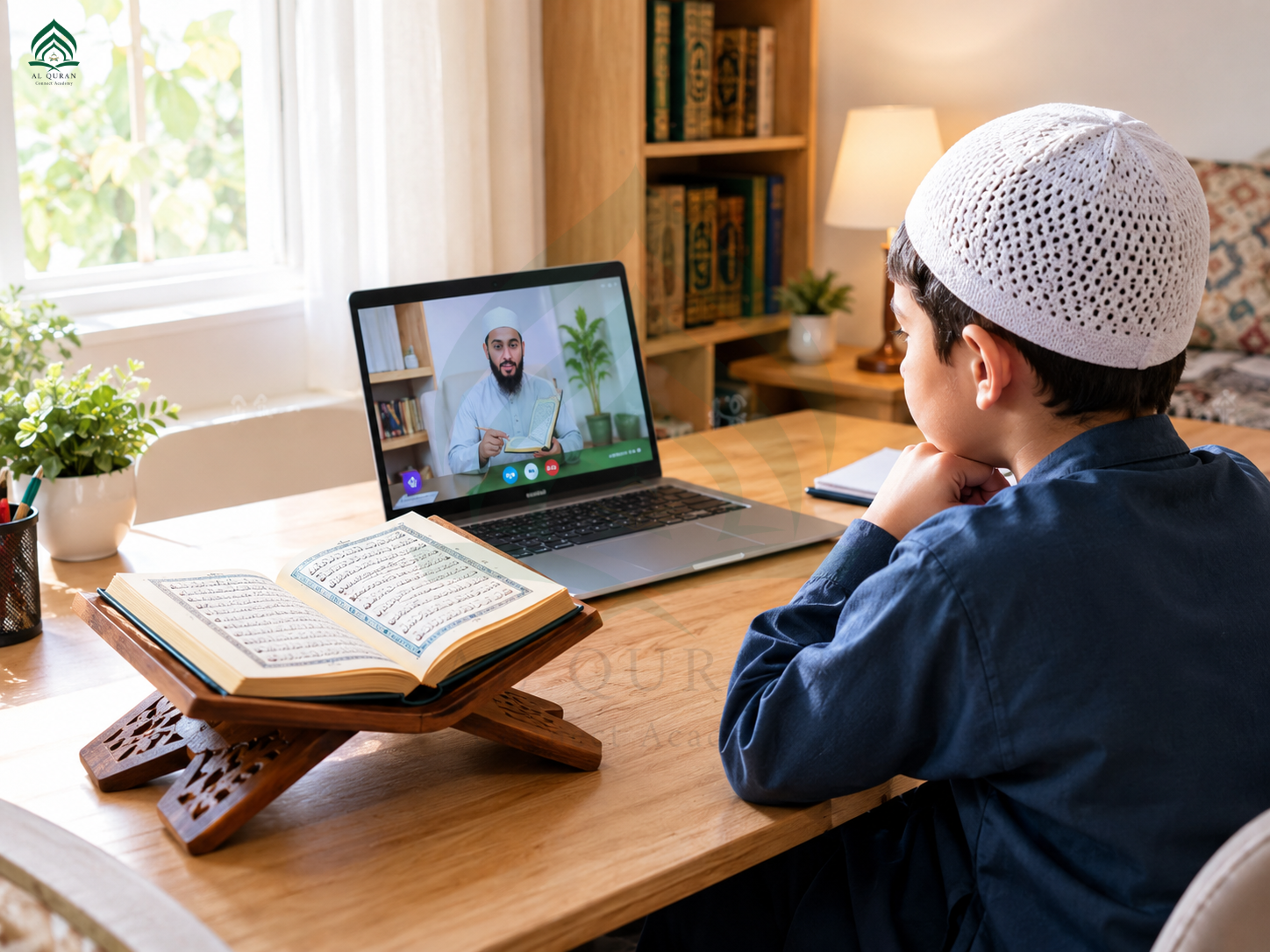
Online Quran classes are live, one-on-one or small-group lessons where a child learns directly from a qualified Quran tutor over a video call — from the comfort of home, using a laptop, tablet, or phone.
Depending on where a child is starting from, lessons can cover Noorani Qaida, Quran reading, Tajweed, Quran memorization (Hifz), daily duas, Salah, and basic Islamic teachings.
With a one-to-one Quran tutor, the lesson moves at the child’s own pace — not the pace of a whole classroom. The tutor can focus entirely on one student’s pronunciation, mistakes, and confidence, correcting gently instead of rushing ahead.
Why Are Parents Choosing Online Quran Classes?
Life today doesn’t leave much room to spare. Between school, homework, sports, and family routines, driving back and forth to a physical Quran academy several times a week has become one more thing to squeeze in.
Online Quran learning removes that friction. Children learn from home, and parents can choose lesson times that actually work around real life. This flexibility matters even more for families living abroad, where finding the right nearby academy isn’t always possible. But convenience alone shouldn’t be the deciding factor — what a child is taught, and how well, matters far more than how easy it was to book the class.
What Can Children Learn in Online Quran Classes?
A good program doesn’t start everyone at the same point — it starts where the child actually is. Here’s a look at our full range of courses:
Noorani Qaida for Beginners
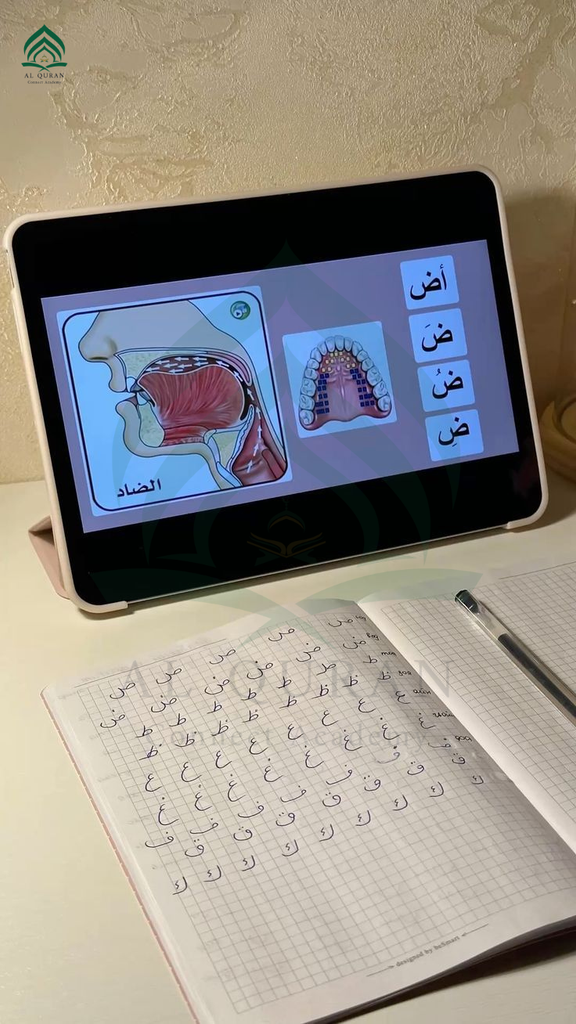
For a child just beginning, Noorani Qaida lays the groundwork — Arabic letters, sounds, and how letters join together to form words. It’s a slow, patient process, and that’s exactly how it should be. Some children pick it up quickly; others need more time, and that’s completely normal.
Quran Reading
Once the basics are steady, children move on to reading Quranic words, verses, and Surahs. A good Quran tutor listens closely during this stage — correcting what matters, not interrupting every small stumble, and helping the child build real reading fluency and confidence.
Quran With Tajweed
Tajweed teaches a child how to pronounce Quranic letters and words the way they’re meant to be recited. It isn’t something to memorize as theory — it’s learned through practice, reciting alongside a tutor who corrects in real time. Parents curious about the original Arabic text and translations can also explore Quran.com alongside their child’s lessons.
Quran Memorization (Hifz)
For children working toward memorizing Surahs or following a structured Hifz path, the routine needs two things: new memorization and steady revision of what’s already been learned. The pace should match the child — their age, school load, and how much time they realistically have to practice.
Daily Duas and Salah
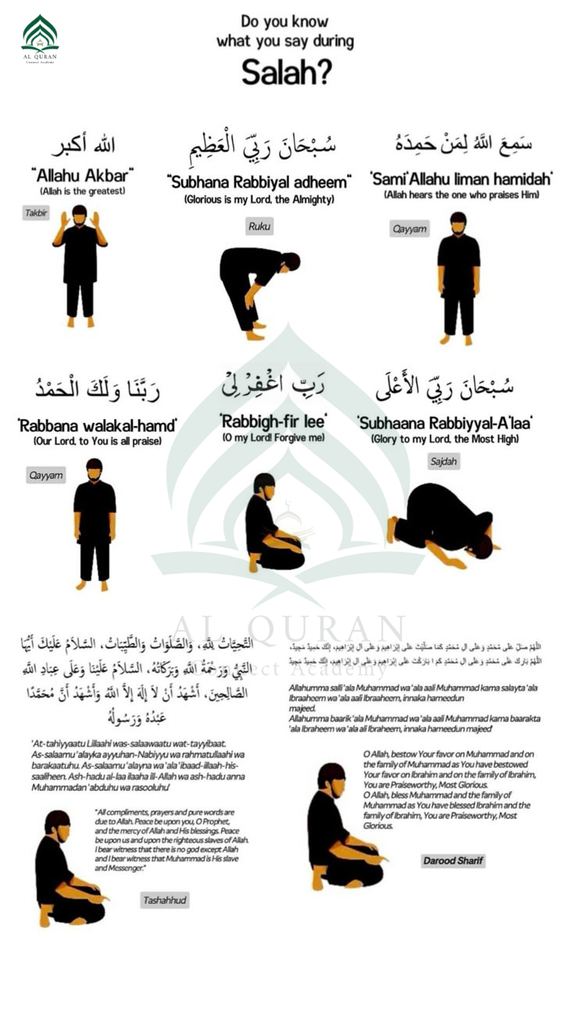
Beyond recitation, children also learn daily duas, Salah, and basic Islamic manners — connecting what they learn in class to how they live day to day.
One-to-One Quran Classes vs. Group Classes
There isn’t one right answer — it depends on the child. One-to-one classes let a tutor focus entirely on a single student, catching pronunciation issues early and adjusting pace freely. Group classes can suit children who enjoy learning alongside others. What matters most, in either format, is how much real reading, correction, and interaction each child actually gets.
How to Choose the Right Online Quran Tutor for Your Child
The tutor shapes almost everything about a child’s experience. A few things worth checking before enrolling:
- Knowledge and experience — Quran education, Tajweed grounding, and real experience teaching children specifically (not just adults).
- Patience — mistakes should be corrected respectfully, with encouragement, not pressure.
- Individual attention — ask directly whether lessons are one-to-one or group-based.
- Flexible timings — a schedule that fits around school and sleep, and stays consistent.
- Progress communication — regular updates so parents know what’s being learned and where more practice is needed.
What a Good Online Quran Lesson Should Look Like
A well-run lesson has a rhythm: a short review of previous work, new material, focused recitation with real-time correction, and a brief wrap-up with clear practice instructions for the week. The exact shape will vary by age and goals — but the child should be actively engaged throughout, not just sitting through a video call.
How Parents Can Support Learning at Home
Parents don’t need to become Quran teachers themselves — small habits go a long way:
- Set up a quiet space for the lesson, free of distractions.
- Have the device, internet, Quran, and Qaida ready before class starts.
- Encourage a few minutes of revision between lessons.
- Encourage rather than pressure — children lose interest fast when learning feels like punishment.
- Stay in touch with the tutor about strengths and areas that need more work.
What Age Should a Child Start?
Most children begin between the ages of 4 and 7, though there’s no single perfect age that fits every child. What matters more than the number is attention span, interest, and readiness to sit through a focused lesson — and a good tutor will adjust the pace accordingly. The goal isn’t to rush through a curriculum; it’s to help a child build a lasting, positive relationship with the Quran, whenever they’re genuinely ready to begin.
How Often Should Kids Attend Classes?
For beginners, two to three sessions of 20-30 minutes per week tend to work best — enough to build steady progress without overwhelming a young learner. As a child grows more comfortable and moves into Tajweed or Hifz, session length or frequency can gradually increase. Short, consistent lessons almost always beat long, infrequent ones when it comes to how much a child actually retains.
How Much Do Online Quran Classes Cost?
Pricing varies based on lesson duration, classes per week, tutor experience, and what’s included in the package. Rather than choosing based on price alone, it’s worth comparing the full picture: tutor quality, one-to-one vs. group format, Tajweed and Hifz availability, progress updates, and scheduling flexibility.
Is a Free Trial Worth It?
Yes — a trial class is the easiest way to see how a tutor actually teaches before committing. During a trial, pay attention to how the tutor communicates with your child, how patiently mistakes are corrected, and whether your child feels comfortable. It should feel like a real lesson, not a sales pitch.
Is Online Quran Learning Safe for Kids?
Safety is often a parent’s first concern, and it’s a fair one. Look for an academy that lets parents observe lessons whenever they want, uses a secure and well-known video platform, and works with verified tutors. A trustworthy academy is always transparent about who is teaching your child and how classes are monitored.
What Equipment Does My Child Need?
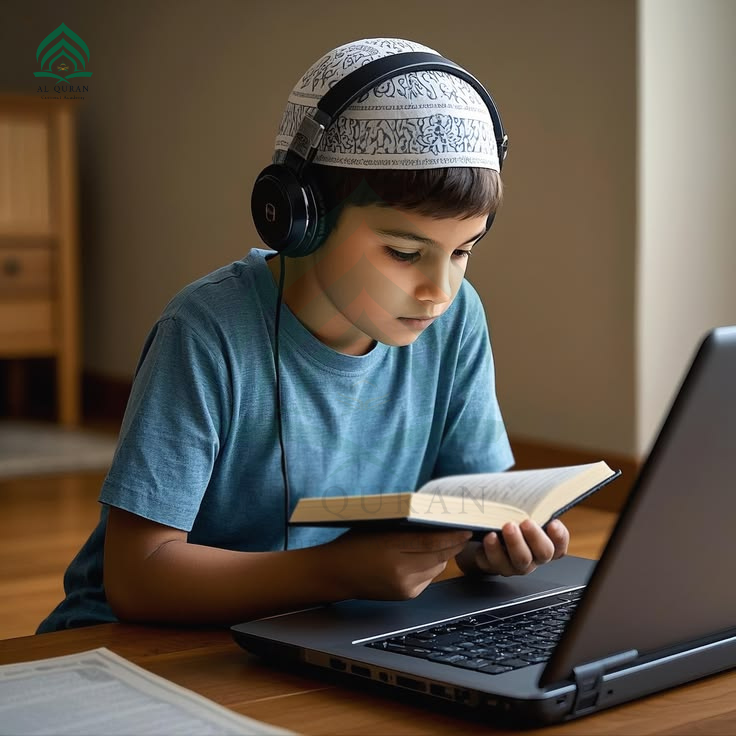
Nothing elaborate — a laptop, tablet, or smartphone with a stable internet connection, a working camera, and headphones for clearer pronunciation feedback. Keeping a physical Quran or Noorani Qaida on hand during the lesson also helps children build the habit of reading from an actual mushaf, not just a screen.
Keeping Lessons Engaging: More Than Just Recitation
Children stay motivated when learning feels alive, not repetitive. Many tutors bring in short stories of the Prophets and their companions to teach values like honesty and patience alongside recitation. Small milestones — finishing a page, completing Qaida, learning a new dua by heart — go a long way in keeping a child excited rather than treating lessons as a chore.
Online Quran Classes for Muslim Families Abroad
For families in the UK, USA, Canada, UAE, Qatar, Kuwait, Oman, and Indonesia, time zones and busy schedules can make consistent Quran learning hard to maintain. This is especially true for Urdu-speaking families living outside Pakistan, who often want their children learning from a tutor who not only teaches the Quran well but also understands their language and cultural background — something that can be hard to find locally. Online classes solve the geography problem — what’s left is finding a tutor and schedule the family can actually stick to.
Questions to Ask Before Enrolling
- Who will be teaching my child, and what’s their experience?
- Are classes one-to-one or group-based?
- Is Tajweed included? Is Noorani Qaida available for beginners?
- Is Quran memorization (Hifz) offered?
- Are male and female tutors available?
- Can class timings be adjusted around our schedule?
- How is progress tracked and shared with parents?
- Is there a trial class?
- What happens if my child misses a lesson?
Remember: every child moves at a different pace, and that’s not a sign of falling behind. Regular lessons and steady revision build a stronger foundation than rushing through a course ever could.
Start Your Child’s Quran Journey With Al Quran Connect
Choosing an online Quran academy is a decision worth taking seriously — beyond price, beyond advertising. At Al Quran Connect, we didn’t start as a big institute — we started with one phone, one student, and a genuine intention to teach the Quran well. Read more about our journey. Over the past year, that’s grown into a proper one-to-one teaching setup, with students across the UAE, Canada, the US, and the UK, and a special focus on Urdu-speaking families who want a tutor who truly understands them. We focus on exactly what this guide has covered: patient teaching, built around your child’s actual pace, with clear communication with parents every step of the way.
Book a Free Trial Class on WhatsApp → or get in touch with us here.
Frequently Asked Questions
Are online Quran classes suitable for children? Yes — when lessons are age-appropriate and taught by a patient Quran tutor using an organized approach.
Can my child learn Quran with Tajweed online? Yes. A live tutor listens to the child’s recitation in real time and corrects pronunciation as they go.
Are one-to-one Quran classes good for beginners? Generally, yes — the tutor can adjust the lesson entirely around the child’s level and pace.
Can children learn Noorani Qaida online? Yes, through live lessons covering Arabic letters, sounds, and basic reading skills.
Can my child learn Hifz online? Yes — a structured program can guide new memorization alongside regular revision.
How often should children attend Quran classes? Two to three sessions of 20-30 minutes per week generally works best for beginners, though it can be adjusted based on age and school schedule.
Can parents monitor their child’s progress? Yes — ask the academy how feedback and progress updates are shared before enrolling.
Can Muslim families abroad learn Quran online? Yes — online classes let families anywhere access live Quran education without needing a nearby physical academy. This is especially useful for Urdu-speaking families living outside Pakistan who want a tutor who understands their language and background.
Is it safe for my child to take Quran classes online? Yes, as long as the academy uses a secure video platform, allows parents to observe lessons, and works with verified tutors.
What equipment does my child need for online classes? A device with a camera and stable internet connection, headphones, and a physical Quran or Noorani Qaida for the lesson.
What should I look for in an online Quran academy? Knowledgeable tutors, individual attention, flexible scheduling, clear communication, and a supportive, pressure-free learning environment.
May Allah make Quran learning easy, beneficial, and beloved to our children and families.
Looking for more guidance on your child’s Quran journey? Explore our full blog for more parenting and Quran-learning tips.